
Fáilte go Gaillimh
Welcome to Galway | 11–14 June 2027
Come for the race.
Stay for the West.
Tribesman is one morning. Galway is a whole weekend. Here is how we would spend it, from the city of the 14 Tribes to the Atlantic edge of Connemara.
Friday
Arrive and settle in
Getting here
Galway's train and bus station is right beside Eyre Square, and trains from Dublin take about two and a quarter hours. Driving? On race morning, park at the University of Galway Park & Ride, right beside transition (no overnight parking on campus).
Check in on campus
Drop the bags, find transition (two minutes away) and shake out the journey.
The QuadrangleTribes: Kirwan
The university opened here in 1849 as Queen's College Galway. Its first president was Joseph Kirwan, so even your race-weekend base has a Tribe behind it.
Down the Corrib to the Salmon Weir Bridge
An easy evening walk along the river you swim in on Sunday. In June, look down from the bridge: you can often spot salmon waiting to run upstream.
Galway Cathedral
The great green dome by the Salmon Weir Bridge, on the river right beside the university.
Saturday
See the city, then register
The Saturday market
From 8am to 6pm, rain, hail or shine, stalls fill Churchyard Street beside St Nicholas' Collegiate Church, between Shop Street and Market Street: fresh fruit and veg, artisan food, hot food and handmade crafts. Breakfast on the go, right on the Tribes Walk (stop 4). It is on again on Sunday if you have something to celebrate.
Walk the Tribes trail
Seven stops through the medieval city, from the Browne Doorway to Blake's Castle. About 60 to 90 minutes on foot.
See the routeSpanish Arch and the CladdaghTribes: Joyce
The Spanish Arch, built in 1584, is where the Corrib meets the sea. It is only half its original size: the usual explanation is the tsunami that followed the 1755 Lisbon earthquake. Across the river is the Claddagh (An Cladach, "the shore"), once a fishing village and home of the Claddagh ring, which tradition credits to Richard Joyce.
Recce the course
Spin the bike route out the Moycullen bypass, walk the run course on campus, look at the swim from the riverbank. Then registration, 5 to 7pm, and an early night.
Course maps
Sunday
Race day, then the prom
Race the Tribesman
Transition opens at 06:15. The rolling start begins at 08:00. Prize giving around 10:15.
Race scheduleWalk the Salthill prom and kick the wall
Salthill in Irish is Bóthar na Trá, the road of the strand. Walk the 2 km prom past Mutton Island lighthouse, with the hills of Clare across the bay, then kick the wall opposite the Blackrock diving tower for luck before you turn for home. Stay for the sunset over Galway Bay if the legs allow. Recovery, the Galway way.
Blackrock diving tower
Galway's favourite sea-swimming spot since the tower went up in 1953, and men only until the 1970s, which feels very old-fashioned on a race weekend. A post-race dip is only for confident sea swimmers who know the conditions.
Monday
Take the long way home
Out the N59 into Connemara
Drive the road your bike course started on, past Moycullen, and keep going: Oughterard and Lough Corrib, the Twelve Bens, Killary Harbour at Leenane, on the edge of Joyce Country, named for the Joyce family, and Kylemore Abbey, the 1860s castle reflected in its lake and still home to a community of Benedictine nuns.
Or the Aran Islands
Ferries leave from Galway City Docks, a short walk from the centre, and from Rossaveal, about 40 minutes west. On Inis Mór, hire a bike near the pier and ride out to Dún Aonghasa, an Iron Age stone fort on the edge of a 100 m cliff. See if your legs still work.
Or the Cliffs of Moher and the Burren
About 90 minutes south, through Kinvara and the bare limestone of the Burren. Stop at Poulnabrone, a portal tomb around 5,800 years old, then walk the cliff-top paths, up to 214 m above the Atlantic. Wear proper shoes: it is breezy up there.
Self-guided | 60 to 90 minutes
The Tribes Walk.
The 14 Tribes built this city, and you can still see their houses, their arms and their legends on a short walk through the centre. Start at Eyre Square and finish by the river.
Galway's charter of 1484 put the merchant families in charge, and for nearly two centuries most of its mayors came from them. Twelve had Anglo-Norman or English roots; the Kirwans and D'Arcys were Gaelic. They never called themselves the Tribes. The story goes that Cromwell's soldiers meant it as an insult, and Galway kept it as a badge of honour. So did we.
Walk it in Google Maps- 1
Eyre Square
The Browne Doorway
The carved entrance and upper window of the Browne family mansion, built in 1627 and moved here from Lower Abbeygate Street in 1905. The arms are Martin Browne's and Marie Lynch's: two tribes joined by marriage. In summer, the flags of all 14 Tribes fly at the top of the square. Find yours.
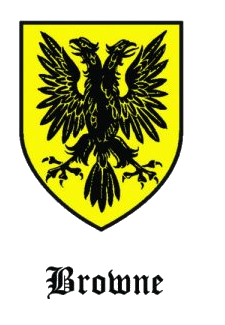 Browne
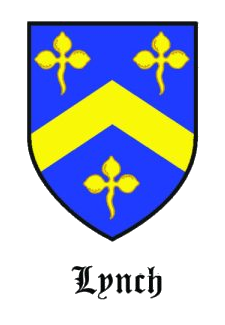 Lynch
- 2
Shop Street
Lynch's Castle
The best surviving tribe townhouse. Look up for the Lynch coat of arms, the gargoyles and the carved windows. It is a bank branch today.
Lynch - 3
Market Street
The Lynch Memorial Window
Tied to the story of Mayor James Lynch FitzStephen hanging his own son. Treat that one as legend rather than history. The memorial was put together in 1854.
Lynch - 4
Lombard Street
St Nicholas' Collegiate Church
Dating from 1320, it is the largest medieval parish church in Ireland still in continuous use. Several tribe families paid for the church and its growth. The best place to see how far their influence reached into the city's religious and civic life. When Cromwell's army took Galway in 1652, ending the Tribes' rule, his soldiers stabled their horses inside. Galway also likes to say Christopher Columbus prayed here.
- 5
Off Quay Street
Kirwan's Lane
Named for the Kirwans, with 16th and 17th-century buildings still standing. Richard "Humanity Dick" Martin opened Galway's first theatre here. He was also behind the world's first animal welfare law, Martin's Act of 1822, and helped found what became the RSPCA.
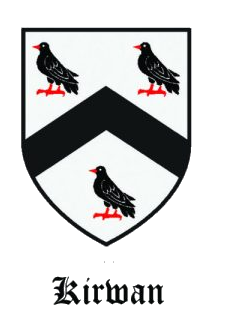 Kirwan
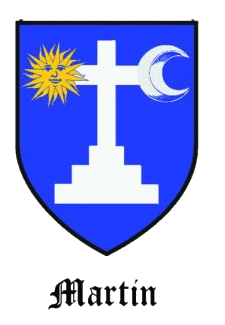 Martin
- 6
Quay Street
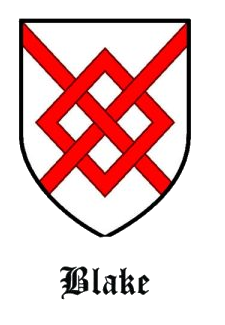
Blake's Castle
A fortified townhouse from the 1400s, linked to the Blake family. Easy to walk past among the shops and pubs, so look for the stonework.
 Blake
- 7
Beside the Spanish Arch
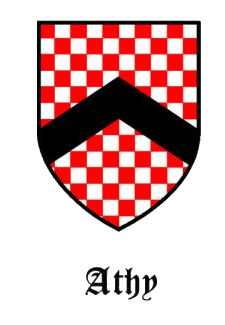
Galway City Museum
Finish here. The Medieval Galway exhibition explains who the tribes were, how they traded and how they lived. Look out for the carved spandrels from the Athy family's doorway, dated 1577. The rest of it was sold to the sculptor Clare Sheridan in 1947 for five pounds.
 Athy
Tribe27
Base yourself on campus.
10% off University of Galway apartments and bedrooms for the whole weekend, two minutes from transition and a short walk from the city.